Best Irish Whiskeys: A Comprehensive Guide to Discovering the Finest Bottles and Tasting Notes

Choose Irish whiskey by its purpose: an everyday mixer, a neat-drinking bottle, a particular style or a gift. This UK guide combines the useful selections from our earlier Irish whiskey lists. Compare live delivered prices and the exact expression before buying; the most expensive bottle is not automatically the best fit.
In This Article About Best Irish Whiskeys
A Toast to Tradition: The Story of Irish Whiskey
Irish whiskey boasts a history as rich and complex as its flavor profile. Once the world’s most popular spirit, it faced a turbulent period of decline in the early 20th century, marked by political upheaval and economic hardship. Specific events such as the Irish War of Independence, Prohibition in the United States, and the Great Depression contributed to this decline. But like a phoenix rising from the ashes, Irish whiskey has experienced a remarkable resurgence in recent years.
The craft spirits movement has ignited a passion for authentic, high-quality whiskey, and Ireland has answered the call with a symphony of exceptional bottles. From storied distilleries steeped in tradition to bold new ventures pushing the boundaries of innovation, the Emerald Isle is once again a beacon of excellence in the world of whiskey.
Decoding the Distillate: Understanding Types of Irish Whiskey
Navigating the world of Irish whiskey can seem daunting at first, but understanding the key categories is your key to unlocking its intricacies. Here’s a primer on the main players:
1. Single Malt Irish Whiskey
Crafted entirely from malted barley and distilled at a single distillery, Single Malt Irish Whiskey is known for its elegance and complexity. Expect notes of orchard fruits, honey, and spice, often with a delicate floral undertone.
2. Single Pot Still Irish Whiskey
A uniquely Irish style, single pot still whiskey combines malted and unmalted barley, resulting in a distinctively creamy and spicy spirit. It’s often described as having a rich, oily texture with pronounced notes of baking spices, citrus peel, and a hint of pot still “funk.”
3. Blended Irish Whiskey
The most common type, blended Irish whiskey marries single malt and single pot still whiskeys with grain whiskey, creating a harmonious and approachable spirit. Blends offer a wide spectrum of flavors, from light and fruity to rich and spicy.
4. Single Grain Irish Whiskey
Single Grain Irish Whiskey is made from a mash bill that can include various grains (such as corn, wheat, or barley) but must be distilled at a single distillery. It tends to be lighter in body and flavor, often featuring notes of caramel, vanilla, and gentle spice, making it an excellent base for blends or a pleasant, easy-drinking whiskey on its own.
Elevating Your Spirits: The Best Irish Whiskeys to Savor
Prepare your palate – the following selection represents the pinnacle of Irish whiskey, carefully chosen for their exceptional quality, craftsmanship, and flavor profiles:
1. The Everyday Elegance: Best Irish Whiskeys Under £50
- Writer’s Tears Copper Pot: A masterful blend of single pot still and single malt whiskeys, Writer’s Tears is a smooth and approachable choice for everyday enjoyment. Expect notes of baking spices, pear, and vanilla, making it equally delightful neat or on the rocks. Consider pairing it with creamy cheeses or a light dessert like apple tart.

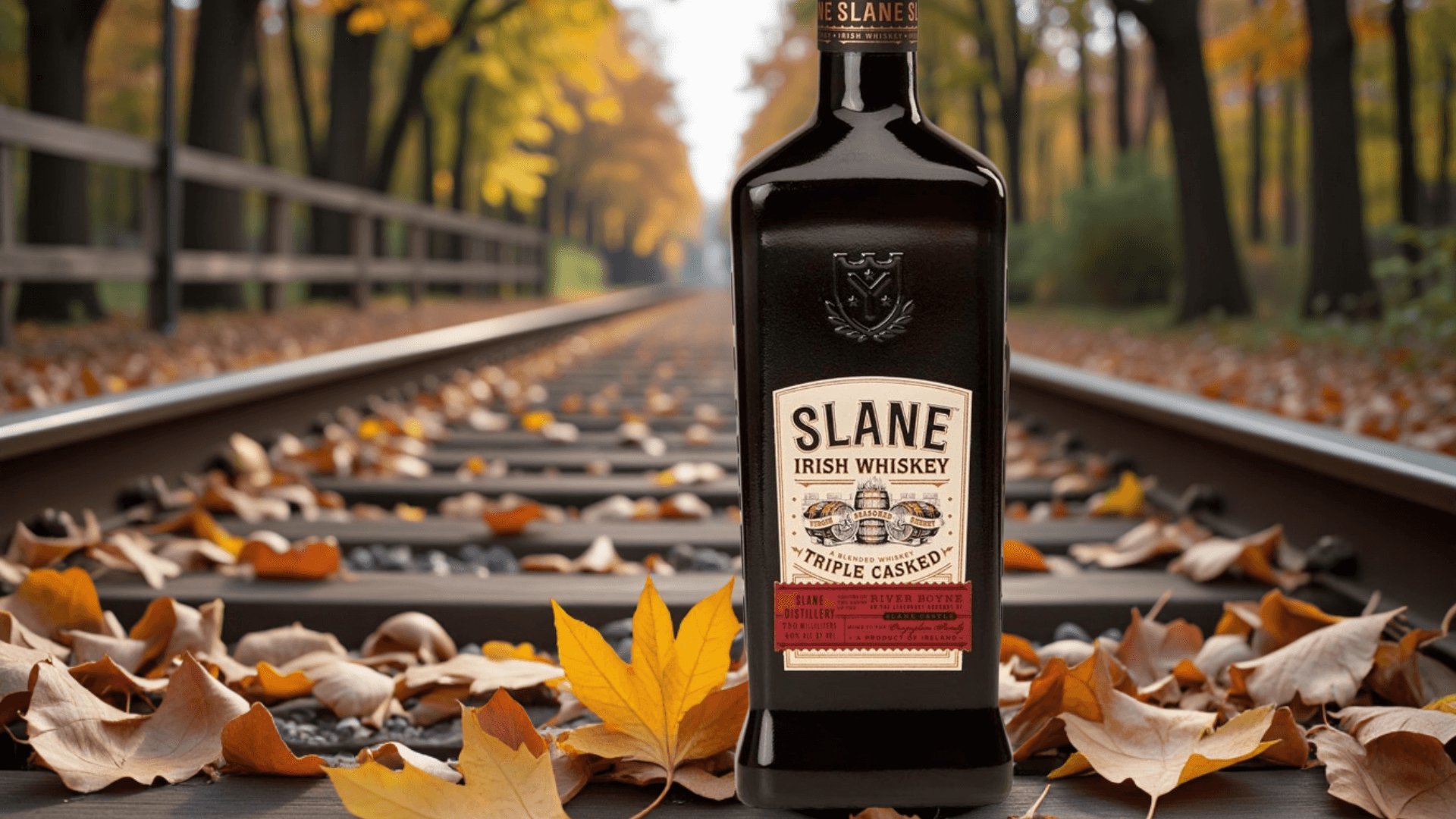
- Slane Irish Whiskey: Crafted in the historic Boyne Valley, Slane is a triple-casked whiskey that offers exceptional value for its price. The blend of virgin oak, seasoned whiskey, and Oloroso sherry casks creates a layered profile of caramel, vanilla, and dried fruit, making it a versatile choice for sipping or mixing. Pair it with dark chocolate or roasted nuts for a perfect match.

2. Indulge Your Senses: Best Irish Whiskeys for Sipping Neat
- Redbreast 12 Year: A true icon of Irish whiskey, Redbreast 12 Year is a single pot still masterpiece that’s revered for its smoothness and complexity. Expect a symphony of flavors, from baking spices and roasted fruit to a hint of nuttiness, all delivered with remarkable balance and a lingering finish. Pair it with rich dishes like beef stew or aged cheeses to enhance its depth.

- Knappogue Castle 12 Year Single Malt: This is a bottle that embodies the quintessential Irish whiskey style – bright, clean, and incredibly sippable. Aged entirely in bourbon casks, it showcases notes of apples, baking spices, and toast, making it a versatile choice for both casual sipping and special occasions. It pairs wonderfully with seafood or light poultry dishes.

3. A Toast to Excellence: Best Splurge-Worthy Irish Whiskeys
- Redbreast 21 Year Old: Regarded as the pinnacle of the Redbreast range, this is a whiskey for those who appreciate the finer things in life. Full of spiced fruit, honey, and hay, Redbreast 21 is a rich and chewy Single Pot Still whiskey that rewards patient sipping. Enjoy it with dark chocolate truffles or a high-quality cigar for an opulent experience.

- Knappogue Castle 16 Year Old Single Malt: A step up in luxury, Knappogue Castle 16 Year Old spends its final years in Oloroso sherry casks, adding a layer of richness and complexity to its profile. Expect notes of honey, toasted nuts, dried fruit, and a velvety smooth finish that lingers on the palate. Pair with roast duck or a dessert of dried figs and honey.
The Art of Appreciation: Tasting Irish Whiskey
Tasting Irish whiskey is a sensory journey, an opportunity to fully engage with its aromas, flavors, and textures. Here’s how to elevate your whiskey experience:
- Choose the Right Glassware: A tulip-shaped glass, like a Glencairn, allows the aromas to concentrate, enhancing your nosing experience.
- Observe the Appearance: Note the color and clarity of the whiskey,, which can offer hints about its age and maturation. Lighter whiskeys may indicate younger spirit or different cask types, while darker ones could suggest extensive aging or sherry cask influence.
- Engage Your Sense of Smell: Swirl the whiskey gently and inhale deeply, allowing the aromas to fill your nose. Identify the dominant notes – are they fruity, spicy, floral, or earthy? Try to pick out individual scents, like vanilla, caramel, green apple, or clove.
- Take a Sip and Savor: Allow the whiskey to coat your palate, paying attention to the flavors that evolve. Notice the texture – is it smooth, creamy, oily, or dry? Are there layers of flavor that emerge after a few seconds?
- Add Water (Optional): A few drops of water can open up the whiskey, revealing hidden nuances and softening the alcohol burn. Experiment to find the balance that works best for you.
Tip: Consider taking notes during tastings to keep track of your impressions. You could also share your experiences online to engage with the broader whiskey-loving community.
Unraveling the Mystery: Irish Whiskey FAQs
1. What sets Irish whiskey apart from Scotch whisky?
Both categories contain a range of styles. Compare the specific bottles rather than assuming every Irish whiskey is triple-distilled or every Scotch is smoky. Irish single pot still, single malt and blended expressions can offer quite different experiences.
2. How is Irish whiskey made?
Irish whiskey begins with a mash of malted barley and other grains, which is fermented and distilled. The distillation process can occur in either pot stills or column stills, and the resulting spirit is then aged for a minimum of three years in wooden casks. The combination of grains, distillation methods, and aging casks influences the final flavor profile.
3. What is Single Grain Irish Whiskey?
Single Grain Irish Whiskey is produced using grains other than malted barley, such as corn or wheat. It is typically distilled in a continuous column still, which results in a lighter and more delicate spirit compared to pot-distilled whiskeys. Single Grain whiskeys are often used in blends but can also be enjoyed on their own.
Embrace the Emerald Spirit
Irish whiskey offers a captivating world of flavors and experiences, waiting to be explored. From its storied history to its contemporary resurgence, there’s a bottle to suit every palate and occasion. So, raise a glass, embrace the Emerald Spirit, and embark on your own Irish whiskey adventure. Visit local distilleries, attend whiskey tastings, and share your experiences to deepen your appreciation for this timeless craft. Personally, I remember my first visit to a small distillery in County Cork – the scent of fermenting grains and the warmth of the stills left an indelible mark on me, sparking a lifelong passion for Irish whiskey.
Further Exploration: Resources and Recommendations
- Wine-Searcher: Most Popular Irish Whiskey Available in Ireland
- Liquor.com: The 12 Best Irish Whiskeys to Drink
- McCarthy’s Whiskey: What Are the Types of Irish Whiskey?
- Bottle Raiders: Whiskey FAQs
More Irish bottles to compare by purpose
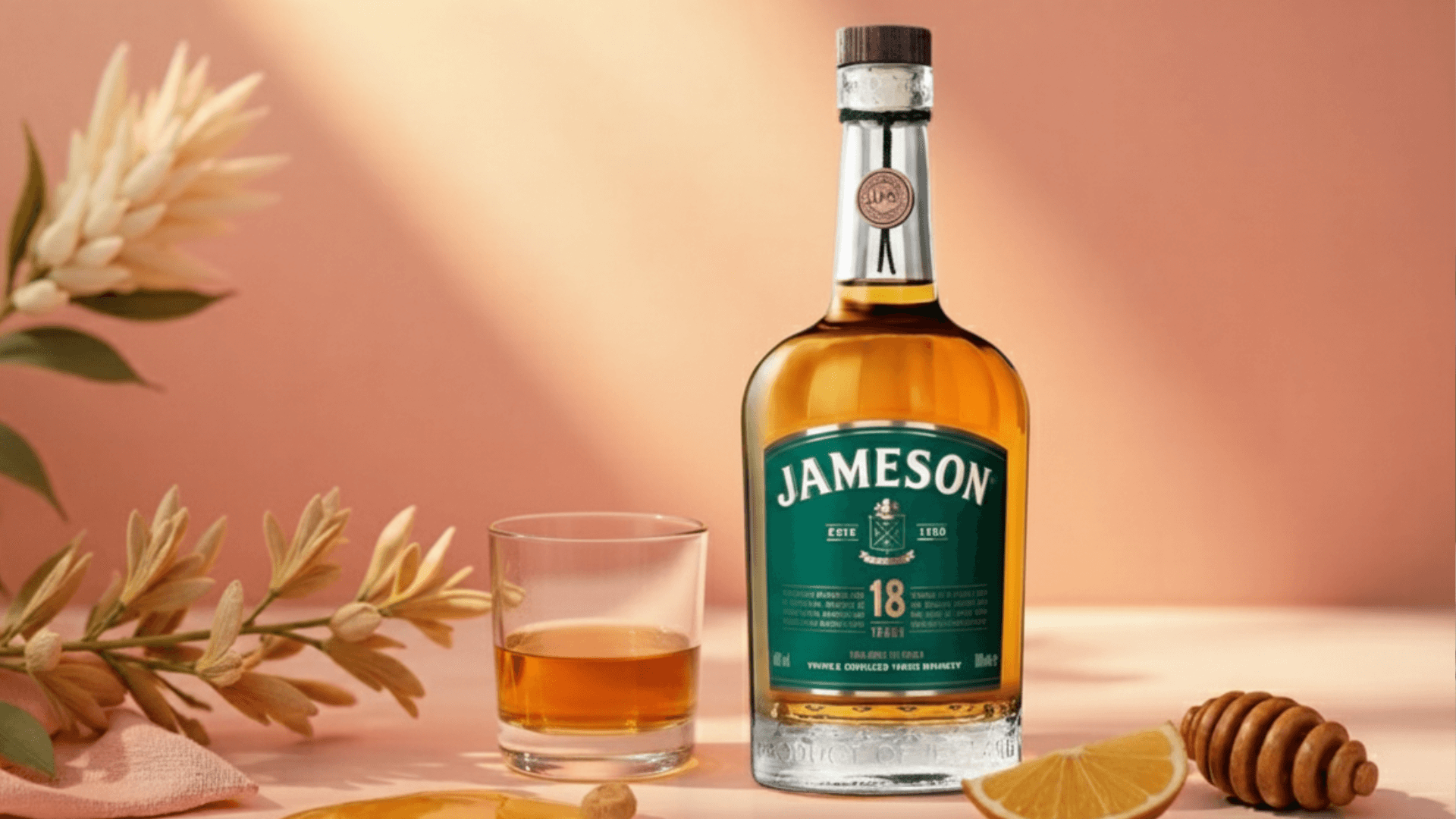
For everyday mixing: Jameson, Bushmills Original or Tullamore D.E.W.
Our earlier lists repeatedly recommended these accessible blends for mixing and informal sipping. Choose based on the flavour in your usual serve and the delivered price. The Bushmills versus Jameson comparison is a useful starting point; the Tullamore D.E.W. review adds another option. Avoid paying a collector premium for a bottle intended mainly for cocktails.
For a different mixing or sipping option: Teeling Small Batch
The earlier guides highlighted Teeling Small Batch for its rum-cask influence and a style that can suit both sipping and mixing. Compare it with Slane and your usual blend, rather than assuming a more unusual finish will always be better. Our Teeling guide explains the range.
For neat drinking: Green Spot and Powers John’s Lane
These add useful alternatives to the Redbreast and Knappogue selections above. The earlier Green Spot notes emphasised fresh fruit and spice, while Powers John’s Lane was the fuller-bodied comparison. A sample is a better way to settle that preference than choosing solely by age or reputation. Include the final delivered cost when comparing either with Redbreast 12.
For smoke or a special occasion
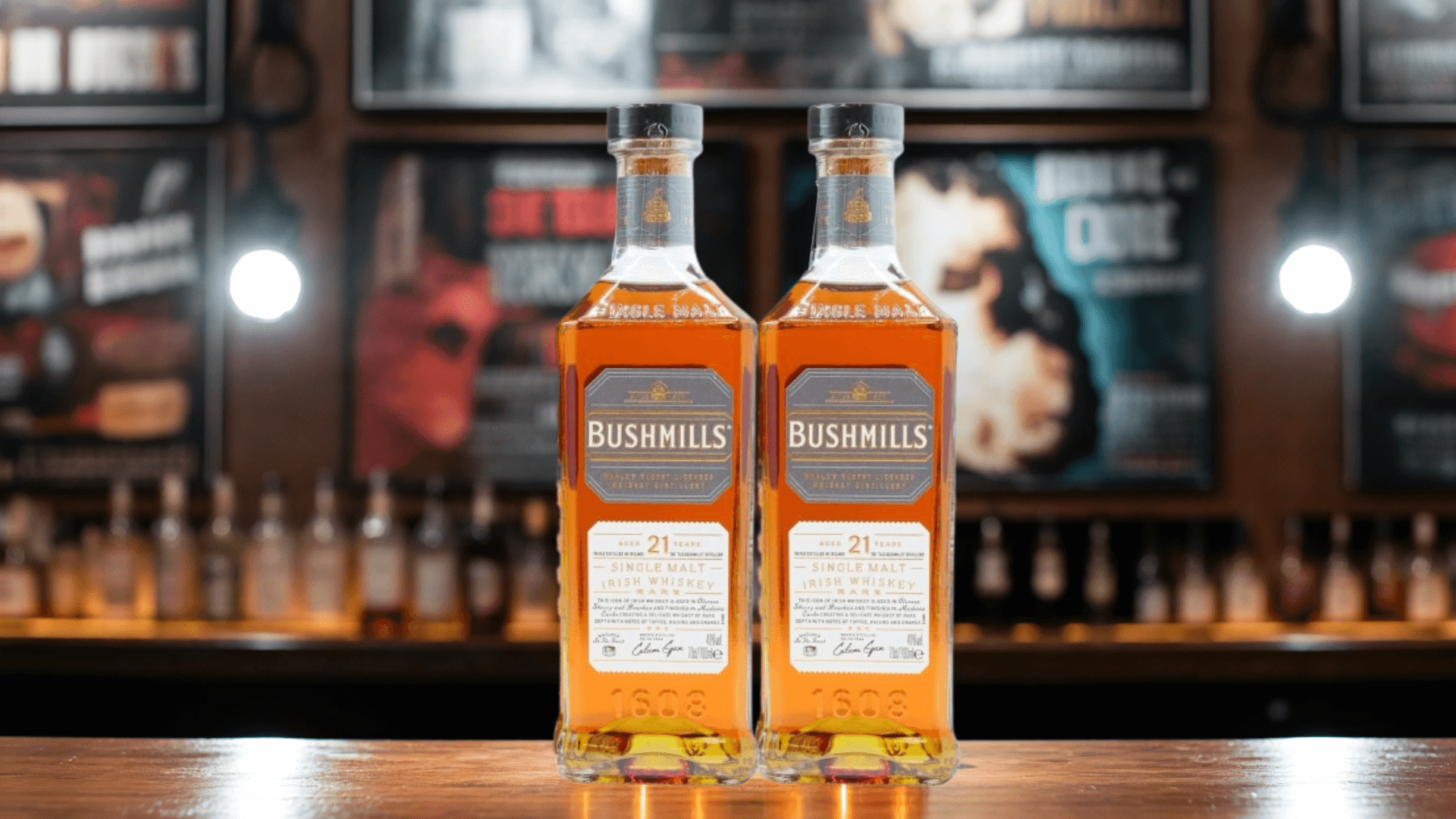
Connemara Peated Single Malt appeared in the earlier shortlist as an option for drinkers who specifically want peat smoke. For a higher-budget purchase, the Bushmills 21 review offers a distinct comparison with the older Redbreast expressions. Neither age nor scarcity removes the need to check that the recipient likes the style.
A practical UK buying checklist
First set your delivered budget, then choose a style and intended serve. Compare the same expression, bottle size and ABV. Check stock and seller details, and avoid treating an old offer or a price for a different age statement as today’s price. For a stricter budget, use our Irish whiskey under £50 guide and verify each current offer.
If you want a directory of producers rather than another bottle ranking, see our Irish whiskey brands guide. For serving ideas, use the Irish whiskey cocktail guide. Those pages answer different questions from this buying shortlist.