Best Japanese Whisky: A UK Buying Guide by Style and Budget
The best Japanese whisky for you depends on how you plan to drink it. Start with a light blend for highballs, compare single malts when you want a particular distillery style, and treat scarce age-stated bottles as a separate buying decision. This guide brings together our earlier bottle lists into one UK-focused shortlist.
Choose by drinking style
| Your priority | Start with | What to compare |
|---|---|---|
| Highballs and a lighter style | Suntory Toki | Cost per serve and flavour with soda |
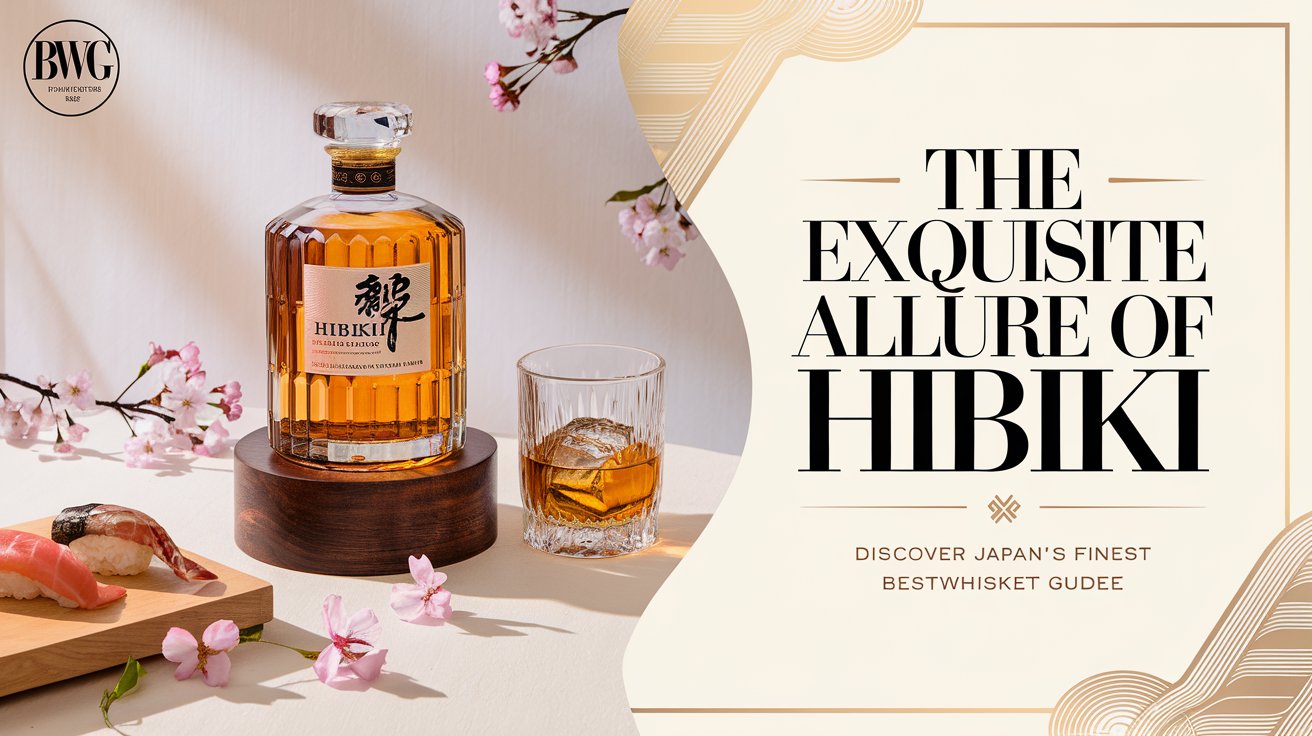
| A rounded blend for sipping or gifting | Hibiki Japanese Harmony | Whether you prefer a blend to a single malt |
| Fruit-led single malt | Yamazaki 12 or Miyagikyo | Style, availability and your delivered budget |
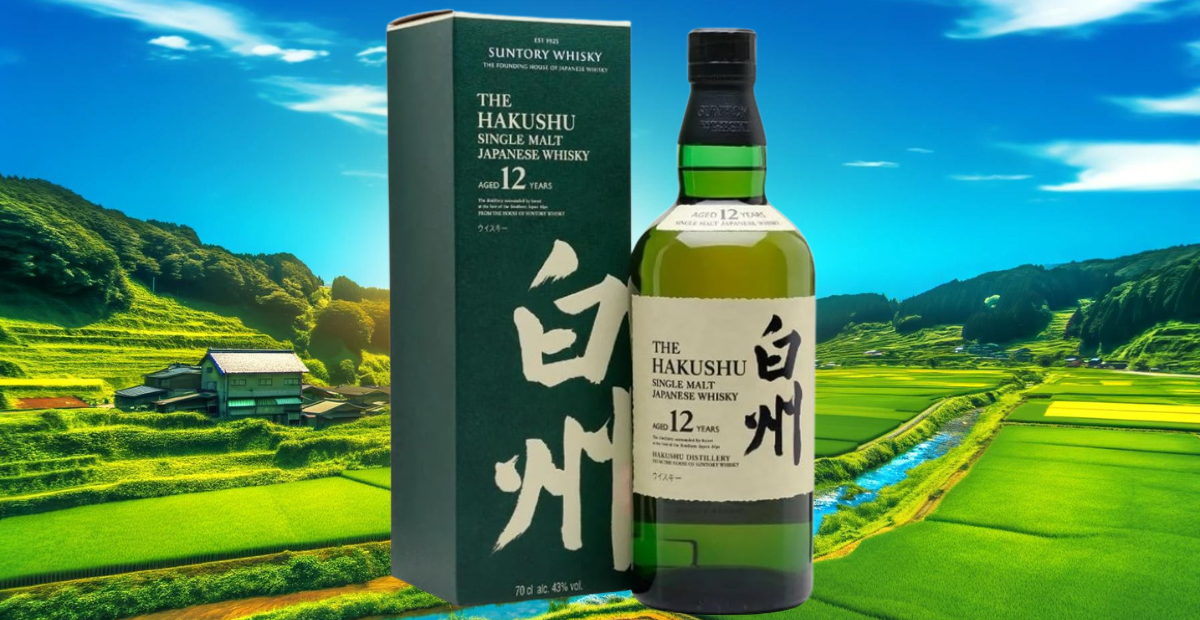
| Herbal freshness with smoke | Hakushu 12 | A sample before paying an age-statement premium |
| A more assertive malt profile | Yoichi Single Malt | Your tolerance for smoke and weight |
| A grain-whisky alternative | Nikka Coffey Grain | Whether its sweeter style suits your palate |
These are starting points from our existing reviews, not a claim that one bottle wins for everyone. Prices and stock change, so compare current UK offers for the same expression and bottle size. The old US-dollar price brackets have been removed because they did not reliably describe a UK purchase.
The shortlist in more detail
Suntory Toki: start here for highballs
Toki is the lighter option in this shortlist. Our earlier guides describe fresh fruit, gentle sweetness and a style that works with soda. Choose it when mixing is the main purpose; if you want a rich, weighty neat pour, compare other styles first. Read the Toki review and our affordable Japanese whisky guide.
Hibiki Japanese Harmony: a blended option
Harmony offers a different route from single malt: the existing review emphasises honeyed sweetness, fruit and balance. It is worth comparing for a gift or a gentler sipping style. Check the full expression name; Japanese Harmony is not Hibiki 17. Our Hibiki Harmony review covers the bottle in detail.
Yamazaki 12 and Miyagikyo: compare fruit-led malts
Yamazaki 12 appears in both earlier lists for its fruit and oak profile. Miyagikyo adds an alternative with a softer, floral emphasis. They are different whiskies, so use a sample to decide which style you prefer instead of treating the more familiar name as an automatic upgrade. See our Yamazaki 12 review and Miyagikyo review.
Hakushu 12 and Yoichi: for drinkers interested in smoke
The earlier Hakushu notes focus on freshness, herbs and gentle smoke; the Yoichi notes describe a fuller, more assertive malt. A preference for peated Scotch makes these useful comparisons, but neither should be assumed to taste like an Islay bottle. Read the Hakushu 12 and Yoichi reviews before choosing.
Nikka Coffey Grain: a different style to explore
Our earlier guide suggested Coffey Grain for drinkers who enjoy sweeter, oak-led whisky. It is a useful comparison for a bourbon drinker exploring the category, rather than a promise that it tastes like bourbon. Read the Coffey Grain review.
Japanese whisky and world blends: check the expression
A Japanese brand name does not establish the provenance of every bottle. The JSLMA Japanese whisky standard and Nikka’s labelling explanation help distinguish qualifying expressions from other whiskies sold by Japanese producers. Check the specific product rather than relying on a retailer category.
The earlier lists also included Nikka From the Barrel, Mars Maltage Cosmo, Akashi expressions and Kurayoshi Pure Malt. Treat these as separate comparisons requiring an expression-level provenance check. In particular, do not confuse an Akashi blend with an Akashi single malt, or assume “pure malt” means single malt.
Set a UK buying budget
For an everyday bottle, decide your maximum delivered cost before comparing offers. Check bottle size, ABV, seller and delivery. For a gift, ask whether the recipient prefers smoke, sweetness or a lighter style. For a scarce bottle such as Hibiki 17, separate collector appeal from drinking value and consider a sample first.
If your budget is tight, start with the affordable guide. If you want to understand producers and their ranges, use the Japanese whisky brands guide. Neither a high price nor an older age statement guarantees that you will enjoy a bottle more.
Try before committing
Compare small samples in the same type of glass, ideally without seeing the labels first. Note aroma, texture, finish and which you would actually choose to drink again. For highballs, compare the bottles with the same soda and dilution. Our serving guide covers the practical next step.