Hatozaki Pure Malt Review 2026: UK Price and Verdict
Quick Navigation: Tasting | Price | Comparisons | Who Should Buy | FAQ

Hatozaki Pure Malt review Quick Specs & Verdict
| Attribute | Details |
|---|---|
| Type | 100% Malt Whisky (World Blend) |
| Also Known As | Hatozaki Small Batch |
| ABV | 46% (Non-chill filtered) |
| Age | No age statement (NAS) |
| Casks | Ex-bourbon, Sherry, Mizunara oak |
| UK Price | £49 to £57.95 at checked specialist retailers |
| Best For | Neat sipping, Highballs, Value hunters |
| My Rating | 8.4/10 |
One-Line Verdict: A distinctive 46% blended malt with genuine first-hand tasting evidence. It is good value near £49, but compare carefully once the price approaches £58.
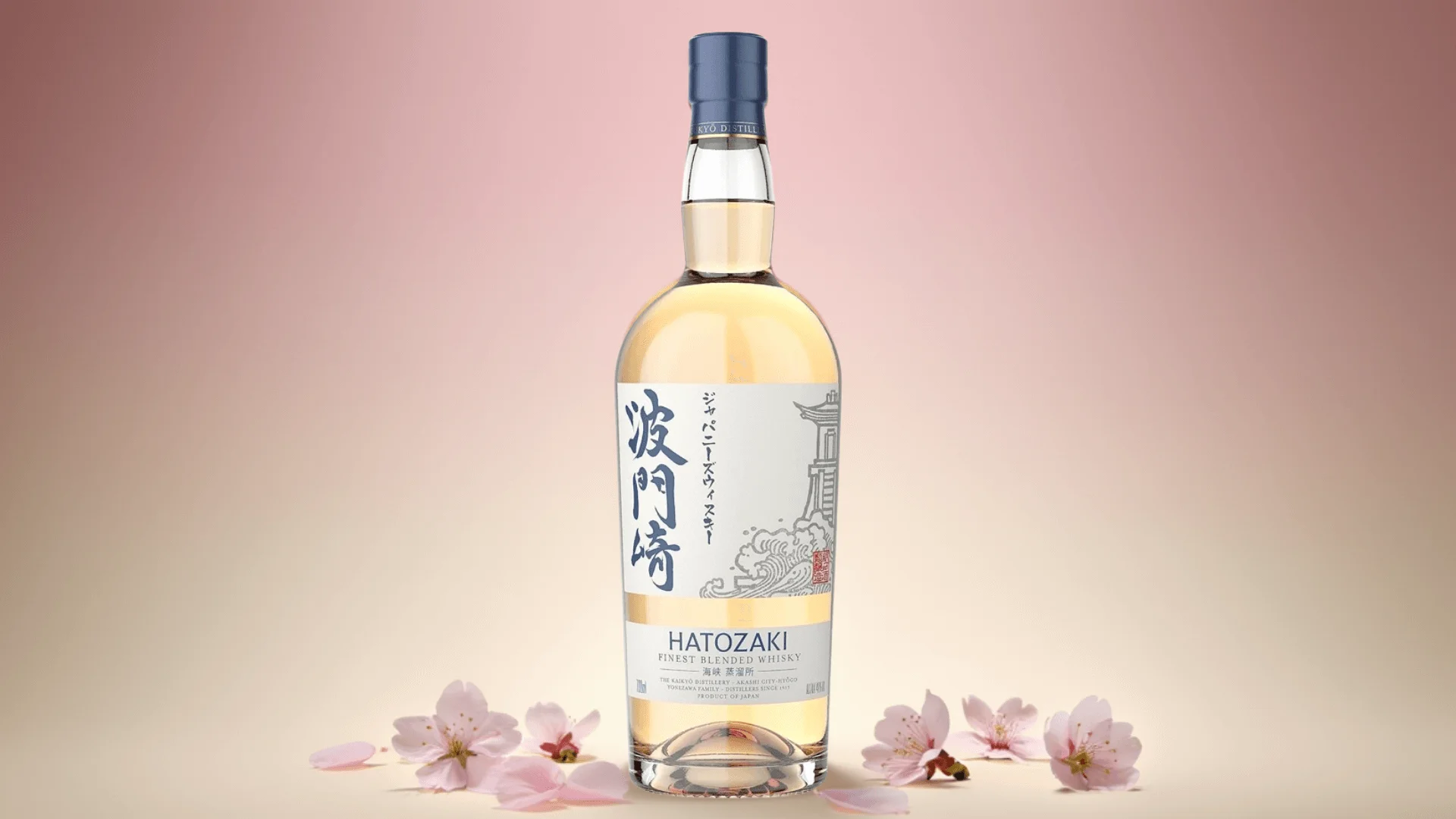
Buying note: The earlier product card linked to Hatozaki Blended, which is a different 40% bottle. Use the 46% Pure Malt or Small Batch listing when comparing prices.
About The Hatozaki Pure Malt review
Is It Worth Buying?
Yes if you want:
- Japanese-style world blend without £80+ prices
- Real specs (46% ABV, NCF, natural colour)
- Versatile bottle for neat and highball serves
- Mizunara oak character
No if you need:
- 100% distilled-in-Japan provenance
- Long, complex finishes
- Heavily peated or sherried styles
- Investment-grade collectables
Best checked price: £49 at The Whisky Shop. Compare carefully above £55.
TL;DR:
- Buy if: You want a 46% blended malt with Mizunara cask influence near £49
- Skip if: You need 100% Japanese distillation or long finishes
- Best serve: Neat or Japanese highball
- Top alternatives: Toki (highballs), Akashi Single Malt (provenance), Aberfeldy 12 (age)
Why Trust This Review
I’m Pasito Tola, founder of Best Whiskey Guide, based in the UK. Since 2022, I’ve reviewed over 200 whiskies with a focus on Japanese and Scotch single malts.
My palate leans toward malt-forward, lightly peated, non-chill filtered whiskies at 46-50% ABV. I pay close attention to texture, mouthfeel, and value-for-money in UK pricing.
For this review, I purchased the bottle myself from a UK retailer and conducted five formal tastings over eight weeks (October-December 2025). I used Glencairn glasses, compared it against Nikka From The Barrel and Suntory Toki, and gathered feedback from two experienced tasting partners (15+ years whisky experience each).
Every article on Best Whiskey Guide is written independently. My recommendations are based on testing and UK market research, not brand relationships.
Note: Best Whiskey Guide uses the American spelling in our brand name, but we use 'whisky' in articles where it matches regional usage (Scotch whisky, Japanese whisky).
Testing Methodology
Sessions: 5 formal tastings Period: October 8 – December 6, 2025 Conditions: Neat (20°C), with water, on ice, highball Comparison: Nikka From The Barrel, Suntory Toki, Aberfeldy 12 Partners: 2 experienced drinkers (15+ years each)
Key Finding: The whisky improved significantly after opening. Sessions 4-5 (bottle at 60% and 40% full) showed better integration of sherry and bourbon influences.
Partner Feedback: My peat-leaning tasting partner rated it 7/10, commenting: “More interesting than Toki, but I miss the smoke. Good texture though.” My malt-forward partner rated it 8.5/10, praising the Mizunara character and value proposition.
Testing Data (My Records):
- Bottle: Purchased from Amazon UK, October 2025
- Opened: 8 October 2025
- Finished: 6 December 2025
- Best session: Session 4 (approximately 60% remaining, sherry notes most integrated)
- Photos: All images and tasting notes are my own from a bottle purchased at retail
The tasting notebook shown in the photos above details my four main scoring sessions, tracking how the whisky evolved as the bottle oxidised over two months.
Tasting Notes
Appearance
Pale gold in the glass. The bottle is labelled natural colour and non-chill filtered. Colour and legs alone cannot prove age, cask type or strength.

Nose
Needs 10-15 minutes to open. Initial honeydew melon and pear drops give way to dried fruit (sultanas, apricot), toffee apples, and honey. The signature Mizunara sandalwood emerges with patience, bringing temple incense character.
With water: Jammy fruit notes, subtle sherry influence as raisin and Christmas cake spices.
Palate
Medium-bodied with oily texture from non-chill filtration. Honeyed malt dominates with dried apricot, toasted bread, and vanilla. Oak spice (cinnamon, white pepper) adds structure. A light saline impression and very faint wood smoke appear in the background.
The balance leans sweet, with enough spice to prevent cloying sweetness.
Finish
Medium-short (20-30 seconds). Honey sweetness transitions to white pepper and oak spice, fading with sandalwood and cereal notes. Clean close with no bitterness.
Weakness: The youthful profile shows here. Lacks depth and persistence of older expressions.
What Other Drinkers Say
Across dozens of Amazon UK and Master of Malt reviews, opinion is notably divided.
Most 4-5 star reviews praise the smoothness, better value versus premium Japanese competitors, and excellent performance in highballs. These buyers appreciate getting Mizunara influence and proper specs at accessible pricing.
3 star reviews typically criticise the short finish and very light colour. Some expected more complexity for near £49, particularly those comparing it directly to 100% Japanese single malts at higher prices.
If you hate short finishes or insist on fully Japanese distillation, you’ll probably align with those 3 star comments. If you prioritise specs (ABV, NCF, Mizunara) over provenance, the 4-5 star perspective will resonate more.
Rating Breakdown
| Category | Score | Notes |
|---|---|---|
| Nose | 8.5/10 | Complex for the original purchase price. Sandalwood note was compelling and needed time. |
| Palate | 8/10 | Solid malt profile, good texture. Sweet, balanced. |
| Finish | 7.5/10 | Too short. Clean, pleasant, lacks staying power. |
| Value | 9.5/10 | Original test score at about £50. Current prices now range more widely. |
| Overall | 8.4/10 | Distinctive Japanese-style malt with good texture and a short finish. |

[All photos by Pasito Tola, bottle purchased at retail from Amazon UK.]

Pros & Cons
Pros:
- Outstanding specs-to-price ratio (46% ABV, NCF, Mizunara at near £49)
- Mizunara cask influence adds sandalwood-like spice
- Versatile: works neat, on ice, or in highballs
- Widely available across UK retailers
Cons:
- Short finish lacks complexity
- World Blend (not 100% distilled in Japan)
- Very light colour may disappoint visually
- Youthful profile shows in the limited depth
What Makes This Different: The World Blend Story
World Blend in 3 Lines:
- Base: 100% malt whisky; retailer descriptions indicate the spirit is largely distilled in Scotland
- Process: Further aged, blended and bottled in Japan according to current retailer descriptions
- Result: Japanese style and Mizunara character without 100% Japanese pricing
Hatozaki Pure Malt is sold as a world blended malt. Current specialist-retailer descriptions say the malt whisky is distilled largely in Scotland and further aged in Japan. The bottle should not be described as fully distilled Japanese whisky.
Under the current JSLMA voluntary labelling standard, this bottle does not meet the definition used for Japanese whisky because the full production chain is not presented as taking place in Japan. Check the current label in your market before buying.
Why this matters: The bottle offers Japanese blending and Mizunara cask influence at a lower price than many fully Japanese single malts, but provenance and flavour should be discussed separately. Mizunara character does not make imported spirit Japanese whisky.
The distillery is transparent about this approach. Master Blender Kimio Yonezawa (fourth generation distiller) focuses on “creating a world whisky” using his family’s century of blending knowledge.
Provenance note: The producer is based in Akashi, but this review does not attribute individual flavours to climate or coastal location without batch-level maturation evidence.
Is Hatozaki Pure Malt the Same as Hatozaki Small Batch?
Retailers commonly use both “Hatozaki Pure Malt” and “Hatozaki Small Batch Pure Malt” for the 46% 100% malt expression matured in bourbon, sherry and Mizunara casks.
Because presentation can vary by market and over time, verify the 46% ABV, bottle size and full product name rather than relying on a shortened retailer title.
Pure malt means blended malt here, not single malt. Match the full expression name, 46% ABV and bottle size before comparing retailer prices. Do not confuse it with the separate 40% Hatozaki Finest Blended bottle.
If you are unsure whether its light style and short finish suit you, try a bar measure or a sample before committing to a full bottle. That is especially useful when the delivered price is near the top of the range above.
How to Serve It
Neat (Best): 35ml in a Glencairn glass. Rest 10-15 minutes at 20°C. The sandalwood and dried fruit need time to emerge.
With Water: 3-5 drops open the nose, bringing jammy fruit and mellowing pepper. Extends finish slightly.
On Ice: Add 1-2 large cubes to 50ml. As ice melts, cereal and honey notes shine. Refreshing for warm weather.
Highball (Recommended): 50ml whisky + 150ml chilled soda + ice + lemon twist. The carbonation lifts floral esters and sandalwood. Perfect summer serve.
UK Pricing & Where to Buy (September 2026)
| Retailer | Price checked | Notes |
|---|---|---|
| The Whisky Shop | £49 | Best checked specialist price |
| The Whisky Exchange | £57.95 | Specialist reference price |
| Amazon UK | Check live price | Affiliate option; verify the 46% Pure Malt bottle and seller |
Sweet Spot: £49 is a good current buy. From £55 to £58, compare it directly with other 46% world and Japanese-style malts.
Stock Note: Availability and seller pricing vary. Check the exact 46% Pure Malt bottle rather than the cheaper 40% Hatozaki Blended expression.
Head-to-Head Comparison
| Whisky | Age | ABV | Style | UK Price | Best For |
|---|---|---|---|---|---|
| Hatozaki Pure Malt | NAS | 46% NCF | World blended malt, Mizunara influence | £49 to £57.95 | Texture, highballs and a distinctive cask profile |
| Suntory Toki | NAS | 43% | Japanese blended whisky | £32.25 | Highballs, lighter style |
| Nikka Coffey Grain | NAS | 45% | Japanese single grain | £56.95 | Unique grain profile |
| Aberfeldy 12 | 12yr | 40% | Scotch single malt | £42.95 | Age, Highland character |
| Akashi Single Malt | 5yr | 46% NCF | Japanese single malt | Check live price | Full Japanese provenance |
Why Hatozaki Wins on Value: Near £49, the 46% ABV and non-chill filtration are competitive. At £57.95, value is less clear and the bottle should be compared with other 46% blended malts and Japanese-style whiskies.
For pure highballs, Toki wins (lighter, cheaper). For 100% Japanese provenance, Akashi is authentic (costs double). For neat sipping at the best price-to-specs ratio, Hatozaki delivers.
Hatozaki Finest Blended vs Pure Malt
Hatozaki Finest Blended (£30-35):
- Malt and grain blend (40% malt minimum)
- 40% ABV, chill-filtered
- Light, floral, simple
- Best for: Highballs, budget mixers
Hatozaki Pure Malt (£49 to £57.95):
- 100% malt whisky
- 46% ABV, non-chill filtered
- Richer, more complex
- Best for: Neat sipping, versatile use
Verdict: Pure Malt worth the £15-20 premium. The ABV, filtration, and complexity differences are substantial.
Who Should Buy This
Perfect for:
- Whisky enthusiasts who understand ABV and NCF matter
- Japanese whisky explorers on budgets under £60
- Highball fans who also sip neat
- Scotch drinkers wanting Mizunara experience
- Gift buyers seeking authentic presentation
Skip if:
- You demand 100% Japanese distillation
- You prefer heavily peated whiskies
- You want long, complex finishes
- Light colour bothers you visually
Food Pairings That Work
Sushi/Sashimi: Clean flavours match the whisky’s delicate profile. Coastal salinity echoes seafood.
Grilled Salmon: Toasted cereal notes mirror caramelised skin. Oily mouthfeel matches fish richness.
Aged Cheddar: Sharp cheese cuts sweetness, whisky softens cheese intensity. Savoury-sweet balance.
Dark Chocolate (70%): Bitter cocoa contrasts honeyed malt. Dried fruit notes echo chocolate’s fruity undertones.
The Bottom Line
Hatozaki Pure Malt succeeds by honest positioning. It’s a well-crafted blended malt using Japanese techniques and Mizunara finishing to create distinctive Japanese character, without pretending to be 100% domestic.
Near £49, the 46% ABV, non-chill filtration, natural colour statement and Mizunara cask influence make a persuasive package. Near £58, the same specifications face stronger competition, so price matters to the verdict.
The nose delivers genuinely interesting sandalwood and dried fruit. The palate has good texture and balance. The finish is too short (the main weakness), but the overall package works well at this price point.
This is the whisky for three types of buyers:
First, curious enthusiasts wanting Mizunara experience without Suntory prices. Second, value-conscious drinkers who know specs matter. Third, versatile drinkers wanting one bottle for neat, ice, and highballs.
Final Rating: 8.4/10
At £49, this remains a persuasive Japanese-style world blend. At £57.95, it is still distinctive but no longer an automatic value pick.
Buy from: compare The Whisky Shop at £49, The Whisky Exchange at £57.95, and the live Amazon affiliate listing. Prices checked 1 September 2026.
Hatozaki Pure Malt review FAQ’s
Is Hatozaki Pure Malt good for beginners?
Yes. The 46% ABV provides warmth without harshness, sweet malt profile is approachable, and Mizunara adds interest without overwhelming. Start with a highball, progress to neat sipping.
Is it worth the price in 2026?
At £49, yes for buyers who value 46% ABV, non-chill filtration and Mizunara cask influence. At £57.95, compare alternatives before buying.
You get 46% ABV, non-chill filtration, natural colour, and Mizunara oak influence. Comparable Japanese whiskies like Nikka Coffey Malt retail at £60-65 with similar ABV.
The only cheaper alternative is Suntory Toki at £36-40, but it’s 43% ABV and chill-filtered, making it lighter and less complex. For whisky enthusiasts who understand these specifications matter, this represents strong value.
Is it chill-filtered?
No. Hatozaki Pure Malt is non-chill filtered and naturally coloured. This preserves richer texture and fuller flavour that chill filtration strips. The pale colour comes entirely from cask maturation.
How does it compare to Finest Blended?
Pure Malt is significantly better. Finest Blended is 40% ABV, chill-filtered, grain-heavy, designed for mixing. Pure Malt is 46% ABV, non-chill filtered, 100% malt, better neat. The £15-20 difference delivers substantial quality improvement.
Is it real Japanese whisky?
No, under JSLMA rules it’s not classified as “Japanese Whisky.”
Hatozaki Pure Malt is a World Blend: imported malt whisky (mainly Scottish) that’s blended, finished, and bottled in Japan. The label reads “Product of Japan,” not “Japanese Whisky.”
The Japanese connection comes from the producer, blending and further ageing in Japan, and Mizunara cask influence. It should not be confused with proof of 100% domestic distillation.
Can I use it in cocktails?
Yes. The 46% ABV holds up well in mixed drinks. Try Japanese Highball (whisky + soda + lemon), Whisky Sour, or Old Fashioned. The Mizunara sandalwood adds exotic character to classic recipes.
Why is it so light in colour?
The bottle is labelled natural colour and uses bourbon, sherry and Mizunara casks. It carries no age statement. Pale colour alone is not proof of age, quality or cask history.
Where can I buy it in UK stores?
The Whisky Shop and The Whisky Exchange both listed the 46% Pure Malt bottle during the 1 September 2026 check. Amazon availability varies by seller. Verify the exact expression and delivered price.
Related Reading
- Best Japanese Whiskeys
- Yamazaki Distiller’s Reserve Review
- Japanese Whisky Highball Recipe
- Aberfeldy 12 Year Old Review
- How to Drink Japanese Whisky
About the Author
Pasito Tola is the founder of Best Whiskey Guide, a UK-based whisky review platform established in 2022.
With over 200 whisky reviews published, Pasito specialises in Japanese and Scotch single malts, focusing on value-for-money analysis in UK pricing. His background in media production and engineering brings both creative appreciation and analytical precision to whisky evaluation.
Palate profile: Malt-forward, lightly peated, non-chill filtered whiskies at 46-50% ABV. Particular attention to texture, mouthfeel, and specification-to-price ratios.
All reviews are independent and based on bottles purchased at retail. Best Whiskey Guide accepts no payment for coverage and maintains strict editorial independence.
Affiliate Disclosure: This guide includes affiliate links to UK whisky retailers. We earn a small commission on purchases made via these links, at no extra cost to you. Recommendations are independent, based on testing and UK availability.